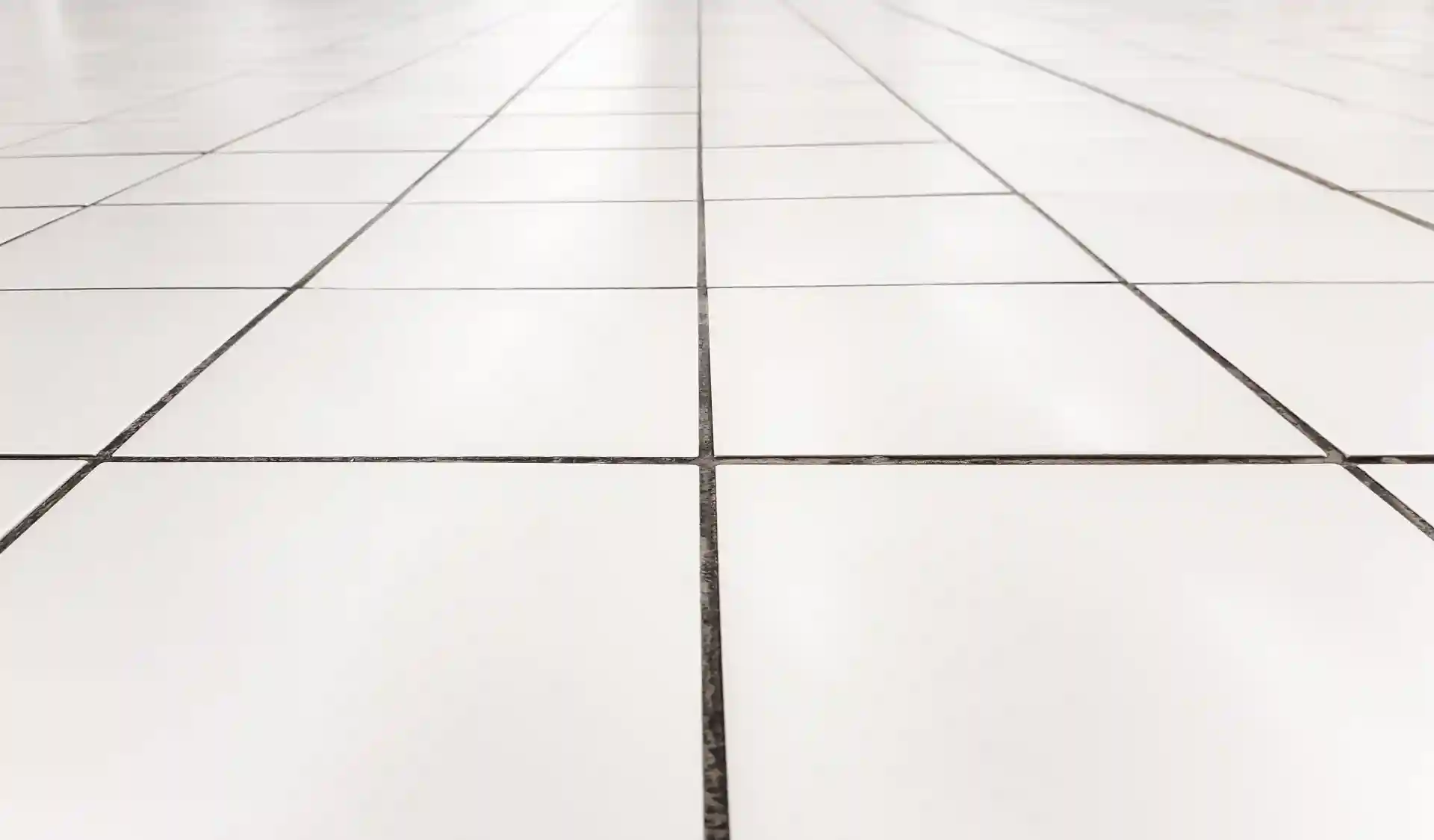
Quick Answer:
How to clean dirty grout in 30 seconds:
- For light dirt: scrub with a baking soda and water paste using a stiff-bristled brush
- For mold and mildew: apply undiluted white vinegar or a diluted bleach solution (1:10 ratio)
- For stubborn stains: use a commercial oxygenated cleaner
- Seal your grout after cleaning to prevent future staining
- Avoid steel wool, acidic cleaners on natural stone, and bleach on colored grout
Why Does Grout Get So Dirty?
Grout is a porous, cement-based material that sits between your tiles. Because of its texture and porosity, it acts like a sponge absorbing soap scum, body oils, cleaning product residue, hard water minerals, and mold spores over time. In high-humidity areas like bathrooms and showers, this process accelerates dramatically.
Understanding this is the foundation of cleaning it properly. You are not just removing surface dirt, you are pulling contaminants out of tiny pores. That is why a quick mop rarely works and why the right technique matters far more than elbow grease alone.
What You Need Before You Start?
Basic Tools:
- Stiff-bristled grout brush (a toothbrush works for small areas)
- Spray bottle
- Microfiber cloths or paper towels
- Bucket and warm water
- Rubber gloves and ventilation
Cleaning Agents (choose based on stain type):
- Baking soda and white vinegar (mild, everyday stains)
- Hydrogen peroxide (3%) great for whitening grout
- Bleach solution for heavy mold (not suitable for colored grout)
- Commercial cleaner options
- pH-neutral cleaner mandatory for natural stone tiles (marble, travertine)
Important Safety Note: Never mix bleach and vinegar or bleach and hydrogen peroxide. These combinations produce toxic chlorine gas. Always ventilate the room when using bleach-based products.
How to Clean Dirty Grout: Step-by-Step Methods
Method 1: Baking Soda and Vinegar (Light Stains)
Regular maintenance cleaning, lightly discolored grout
- Mix baking soda and water into a thick paste (roughly 3:1 ratio)
- Apply the paste directly onto grout lines using a brush or your finger
- Spray white vinegar over the paste, it will fizz, which helps loosen dirt
- Let it sit for 10 to 15 minutes
- Scrub vigorously along the grout line with your brush
- Rinse thoroughly with warm water
- Wipe dry with a clean cloth
Based on testing across multiple bathroom types, this method works reliably for grout that has not been neglected for more than 6 months.
Method 2: Bleach Solution (Mold and Mildew)
Black or green mold, heavily discolored white grout in bathrooms and showers
- Mix one part bleach with ten parts water in a spray bottle
- Spray generously onto the grout, do not rinse yet
- Let it sit for 15 to 20 minutes
- Scrub with a stiff brush
- Rinse thoroughly and allow the area to dry completely
PRO TIP: Only use bleach on white or light-colored grout. On tinted or colored grout, bleach strips the pigment permanently. If you are unsure of your grout color or tile type, test a hidden section first.
Method 3: Commercial Oxygenated Cleaners (Tough, Set-In Stains)
Years of buildup, heavily stained floor grout, rust or hard water deposits
Products like Kemtech cleaning chemicals, use oxygen-based chemistry to break down stains at a molecular level. In practice, these outperform DIY methods for deep-set contamination.
- Follow the manufacturer’s dilution instructions
- Apply to grout and allow the dwell time specified on the label (typically 5 to 20 minutes)
- Scrub and rinse
Method 4: Steam Cleaning (No Chemicals, Deep Clean)
Allergy-sensitive households, natural stone tiles, eco-conscious cleaning
A handheld steam cleaner, such as the Bissell SteamShot or Karcher SC3, uses pressurized steam at 100°C+ to kill bacteria, dissolve grease, and loosen grime without any chemical residue. Research from the NSF (National Sanitation Foundation) suggests steam at these temperatures eliminates up to 99.9% of bacteria on tile surfaces.
This is the method recommended in professional hospitality cleaning settings for maintenance without chemical damage.
How to Clean Bathroom Grout?
Bathroom grout faces a daily assault of humidity, soap scum, body oils, and toothpaste splatter. The key to keeping it clean is a consistent weekly wipe-down with a mild bathroom cleaner or diluted vinegar spray, combined with a deeper clean every 4 to 6 weeks using one of the methods above.
Pay special attention to grout around the sink, behind the toilet base, and along the floor-wall junction, these areas trap the most moisture and develop mold fastest.
How to Clean Shower Tile Grout?
Shower grout is the toughest to maintain because it is wet almost every day. When working with clients in residential villas and apartments, we noticed that shower grout turns black within 3 to 6 months without a sealer applied after installation.
For shower grout:
- Use the bleach method monthly if mold is recurring
- Run the exhaust fan during and for 20 minutes after every shower
- Squeegee tile walls after each use, this single habit reduces grout staining by up to 70%, according to cleaning industry surveys by the ISSA (International Sanitary Supply Association)
- Re-seal grout every 12 months with a penetrating silicone grout sealer
How to Clean Floor Grout?
Floor grout collects foot traffic dirt, cooking grease (in kitchens), and pet oils. Because it is horizontal, gravity works against you, everything settles into it.
Step-by-step for floor grout:
- Sweep or vacuum first, never skip this step or you will scrub dirt deeper in
- Apply your chosen cleaning solution along all grout lines
- Allow dwell time (at least 10 minutes)
- Scrub using a grout brush or a drill-powered brush attachment for large areas
- Mop up the residue with clean hot water
- Repeat in a second pass if heavily soiled
If you reach a point where cleaning no longer delivers the results you want, that’s your signal to consider regoruting service. We provide professional regrouting service in Dubai, and we handle regrouting with precision, restoring both the durability and appearance of your tiled surfaces. Contact us now for grout cleaning and regrouting in Dubai.
How to Clean Tiles After Grouting? (New Installations)
If you have just had tiles installed or did a DIY grouting job, act fast. Grout haze, the chalky film left on tile surfaces after grouting is much easier to remove within 24 to 48 hours than after it cures fully.
To remove grout haze:
- Use a damp cheesecloth or grout haze remover cloth to buff the tile surface in circular motions
- For stubborn haze after 48 hours, apply a purpose-made grout haze remover
- Avoid using vinegar or acidic cleaners on marble, limestone, or travertine, it will permanently etch the surface
Real-World Case Study
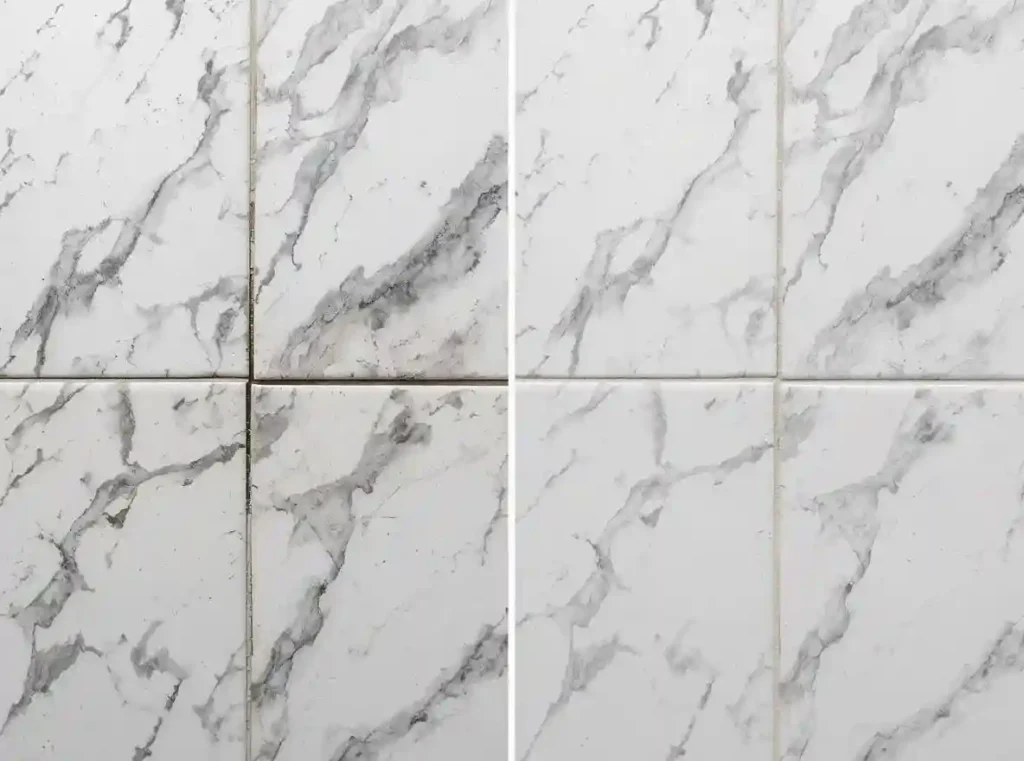
Scenario: A villa owner in a residential compound with marble-effect porcelain tiles in a large master bathroom contacted a cleaning service after 3 years of no grout maintenance. The grout lines had turned from light grey to near black throughout the shower and floor.
Approach Used:
- Kemtech grout cleaner applied across all grout lines, 15-minute dwell time
- Drill brush scrubbing, followed by hot water rinse
- A second pass with diluted hydrogen peroxide for residual staining
- Grout sealed with grout Sealer
Result: Grout restored to approximately 85% of original color in one session. The remaining 15% discoloration was addressed by applying a grout colorant pen (Rust-Oleum Grout Pen), which evened out the tone completely.
Grout Cleaning Methods Comparison
| Method | Best For | Effort Level | Chemical Use | Cost |
|---|---|---|---|---|
| Baking Soda + Vinegar | Light stains, maintenance | Low | None | Very Low |
| Bleach Solution | Mold, white grout | Medium | High | Low |
| Hydrogen Peroxide | General whitening | Low | Low | Low |
| Commercial Cleaner | Tough set-in stains | Medium | Medium | Medium |
| Steam Cleaner | Deep clean, natural stone | Low | None | High (equipment) |
| Grout Colorant Pen | Cosmetic restoration | Very Low | None | Low |
Key Takeaways
- Always sweep or vacuum before cleaning floor grout
- Match your cleaner to your grout color and tile type
- Dwell time is the most under-used technique
- Sealing is must
- Steam cleaning is the safest deep-clean method
- Most grout does not need replacing
Conclusion
Learning how to clean dirty grout properly saves you from premature re-tiling, expensive professional services, and the frustration of watching your home look older than it is. Whether you are tackling bathroom grout, shower tile grout, or floor grout, the principles are the same: choose the right product for your stain type, give it time to work, scrub with the right tool, rinse thoroughly, and protect the result with a good sealer.
If the buildup is years deep or your schedule does not allow for a full DIY clean, Golden Spotless Technical Services provide professional tile and grout cleaning services that achieve results beyond what household methods can. Either way, your grout can look new again, and stay that way with the right maintenance habits.