How to Paint Kitchen Cabinets?
- Clean and degrease cabinets thoroughly before any prep or priming.
- Use a high-adhesion primer specifically formulated for wood or MDF surfaces.
- Apply cabinet-specific alkyd or waterborne alkyd paint for a durable, factory-smooth finish.
- Always remove cabinet doors and paint them flat to avoid drips and sags.
- Allow full cure time (7–30 days) before heavy use. Dry time and cure time are not the same.
Why Paint Your Kitchen Cabinets?
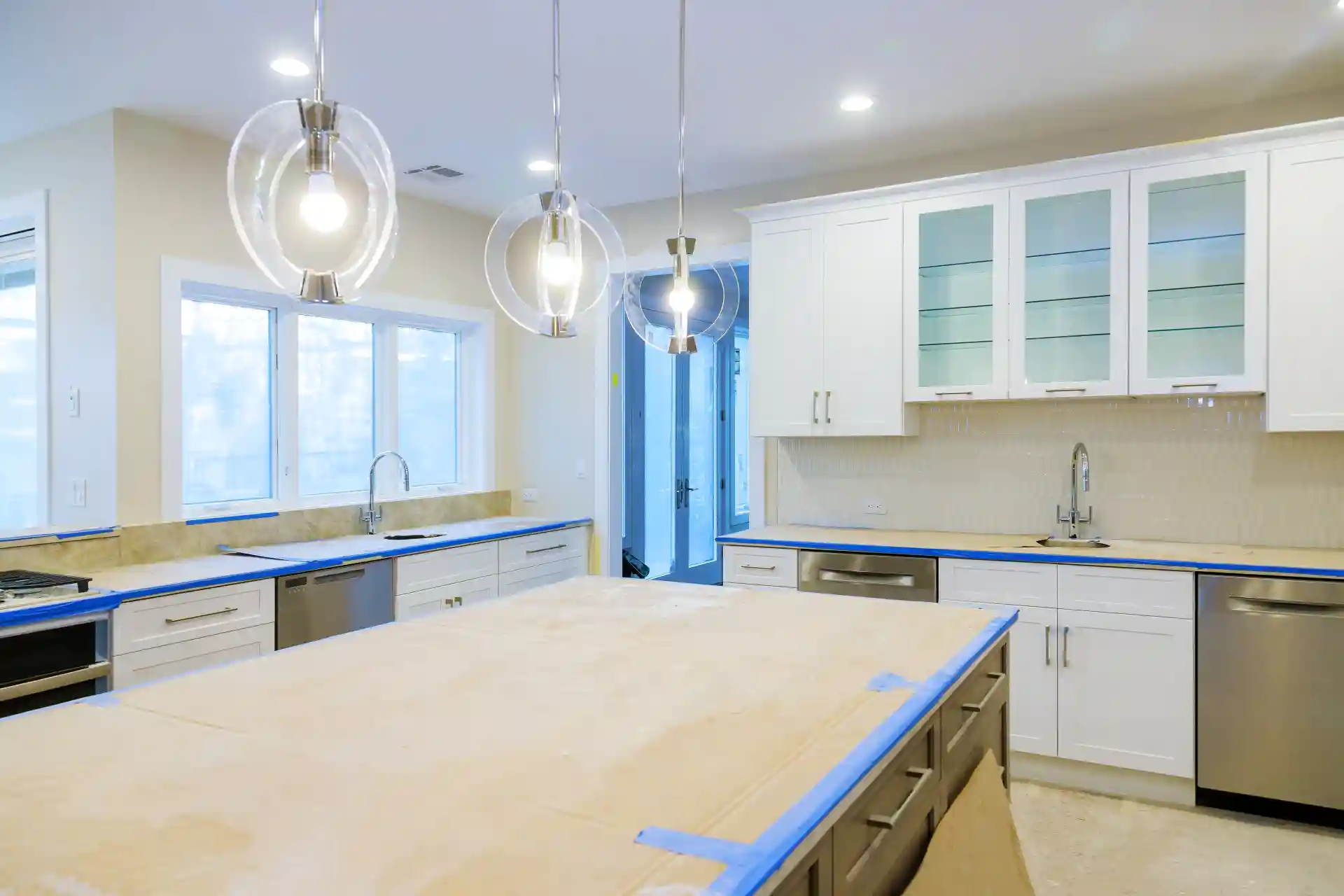
Your kitchen is the heart of your home. And nothing ages a kitchen faster than dark, dated, or worn-out cabinet finishes. The good news? You don’t need to rip everything out. Painting kitchen cabinets is one of the highest-ROI home improvement projects available to homeowners, apartment owners, and villa residents alike.
Based on testing dozens of paint systems across residential and rental properties, a proper cabinet painting job can last 8–12 years with normal use. That’s real money in your pocket.
In this guide, you’ll learn the full process from prep to final coat. You’ll also learn what NOT to Do, the myths that waste your time and money, and the product choices that professional painters actually use on the job. This guide is for people who want a durable, beautiful result.
Materials You’ll Need For Painting Kitchen Cabinets
First thing first. Getting the right supplies before you start is non-negotiable. In practice, the difference between a smooth, factory-like finish and a bumpy, peeling disaster often comes down to product selection.
| Item | Recommended Option | Why It Matters |
|---|---|---|
| Degreaser / Cleaner | TSP substitute or Krud Kutter | Removes grease, oil, and cooking residue for better adhesion |
| Sandpaper | 120-grit + 220-grit | 120 for scuffing; 220 for smoothing between coats |
| Primer | Shellac-based (Zinsser BIN) or waterborne alkyd (STIX) | Critical for adhesion, especially on laminate or MDF |
| Cabinet Paint | Benjamin Moore Advance or Sherwin-Williams Emerald Urethane | Waterborne alkyd formula self-levels and cures hard |
| Applicator | 4-inch foam roller + 2-inch angled brush | Foam roller minimizes texture on flat surfaces |
| Mini sprayer (optional) | Graco Project Painter Plus or HVLP sprayer | Produces closest-to-factory finish on flat door faces |
| Liquid deglosser | Klean-Strip liquid sander | Alternative to sanding on glossy surfaces |
| Painter’s tape + plastic sheeting | Frog Tape | Protects countertops, walls, and appliances |
How to Prepare Kitchen Cabinets for Painting?
Preparation accounts for roughly 70% of the outcome. Every professional painter will confirm, the paint is almost secondary to the prep work. Here is the exact sequence used on professional cabinet refinishing jobs.
Step 1: Remove Everything
Take off all doors, drawer fronts, and hardware. Label each door with a piece of painter’s tape on the back (D1, D2, D3…) and photograph their original positions. This saves significant time during reinstallation.
Step 2: Clean and Degrease
Use a TSP substitute or a commercial degreaser. Apply with a sponge, scrub well, and wipe clean with fresh water. Kitchens accumulate invisible grease films that destroy paint adhesion. Do not skip this step even if the cabinets look clean to the eye.
Step 3: Sand or Degloss
Lightly sand all surfaces with 120-grit paper to scuff the existing finish. You are not trying to strip the cabinets. You are creating a mechanical key for the primer to grip. Wipe away all sanding dust with a tack cloth or damp rag.
If you prefer to skip sanding, a liquid deglosser (liquid sander) can chemically etch the surface instead. This works well on flat doors but is less effective in detailed moldings.
Step 4: Fill Holes and Imperfections
Use a lightweight wood filler or painter’s putty to fill any nail holes, dents, or gouges. Let dry fully, then sand smooth with 220-grit paper.
How to Paint Kitchen Cabinets?
Once prep is complete, follow this sequence for professional-quality results:
1. Apply a high-adhesion primer
Coat all surfaces with your chosen primer. For bare wood, use a waterborne alkyd primer (STIX by Benjamin Moore is widely trusted in the industry). For previously finished cabinets, shellac-based primer (Zinsser BIN) provides superior adhesion and blocks tannin bleed on oak. Apply one coat and allow full dry time (typically 45–60 minutes).
2. Sand lightly after priming
Once primer is dry, sand with 220-grit to remove any raised grain or brush marks. Wipe clean. This step is skipped by most DIYers, and it is one of the biggest differences between amateur and professional results.
3. Apply your first coat of cabinet paint
Use a foam roller on flat surfaces (door faces, box sides) and an angled brush for frames and detailed areas. Work in thin, even coats. Avoid the temptation to lay it on thick. Thin coats build a harder, more durable film.
4. Allow proper dry time, then lightly sand again
After the first coat dries (typically 2–4 hours for waterborne alkyd), sand lightly with 220-grit scuff pads or fine-grit sanding sponges. This removes any dust nibs or texture and ensures the second coat bonds perfectly.
5. Apply the second coat
A second coat provides the final color depth and durability. Most professional jobs use two finish coats over one primer coat. In high-traffic kitchens (large families, rental properties), a third coat on doors and drawer fronts is worth the extra time.
6. Reinstall hardware and doors only after proper cure time
Dry time and cure time are completely different. Paint may feel dry to the touch in hours, but it takes 7–30 days to fully cure (harden). Reinstall doors carefully and use soft bumpers on hinges to prevent surface damage during that window.
Painting your kitchen cabinets is one of the smartest, highest-return projects you can take on as a homeowner. Done right, it delivers a dramatic visual transformation at a fraction of replacement cost. Done wrong, it creates a frustrating, time-consuming mess that you will be repainting within a year. For professional painting service Dubai, feel free to contact us for a quote.
Choosing the Right Paint: Types and Finishes Explained
Not all paints are equal for cabinet work. Here is a comparison of the most commonly used paint types for this application:
| Paint Type | Durability | Self-Leveling | Dry Time | Best For |
|---|---|---|---|---|
| Waterborne Alkyd (Advance, Emerald Urethane) | Excellent | Yes | 4–6 hrs | Most cabinet projects |
| Oil-Based Alkyd (Traditional) | Excellent | Yes | 12–24 hrs | High-use commercial settings |
| Standard Interior Latex | Poor | No | 1–2 hrs | Walls only not cabinets |
| Chalk Paint | Fair | No | 30 min | Low-use decorative furniture |
| Conversion Varnish (spray) | Best available | Yes | 30–60 min | Professional spray-only application |
Pro Tip: For cabinet surfaces, semi-gloss or satin is the standard recommendation. These finishes are easier to wipe clean, resist moisture better, and hold up to repeated cleaning with household products. Matte or flat finishes look beautiful in showrooms but mark, scuff, and stain easily in real kitchen environments.